

Outbreak headlines tend to feature viruses and officials. The system that detects an outbreak in the first place is made of people: field epidemiologists interviewing patients, laboratory scientists sequencing samples, and data engineers keeping the pipelines that join it all together running. The disruption of a $112 million epidemiology contract in the United States has put that workforce — usually invisible — at the centre of the story.
When contracts stall, it is not an abstraction that pauses. It is named professionals, specialist teams and hard-won pipelines. Our blog profiles the workforce behind the warnings.
Epidemiologists: the detectives
Epidemiologists are the detectives of public health. They design the studies that reveal how a disease spreads, trace contacts, spot the cluster in the noise and decide which signal deserves an emergency response. Much of this expertise sits in contract and grant-funded roles attached to universities, agencies and specialist firms — which is precisely why a disrupted contract reaches so quickly into frontline capacity.
These skills take years to build and cannot be surged overnight. An experienced field epidemiologist carries tacit knowledge — which clinics report reliably, which data quirks mean artefact rather than outbreak — that no dashboard replaces. Workforce interruptions scatter that knowledge to other sectors, and reassembling it costs far more than pausing it saved.
Laboratories: where signals become certainty
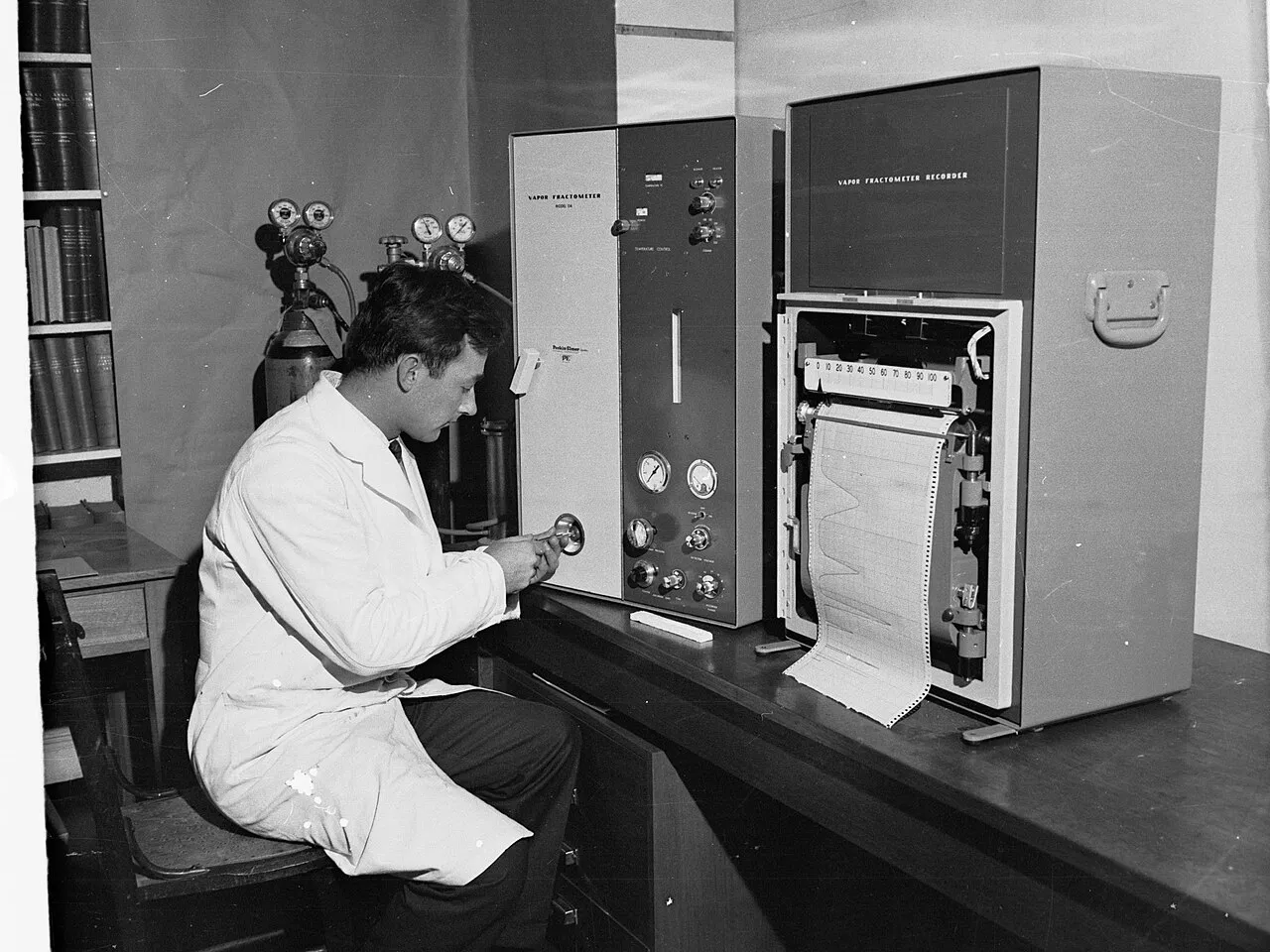
Behind every confirmed case count sits a laboratory: technicians receiving samples, scientists running assays, bioinformaticians interpreting genomes. Lab networks turn a suspected cluster into a characterised pathogen, identifying variants and resistance patterns that determine the response.
Lab capacity is a workforce story twice over — the scientists themselves, and the training pipeline behind them. Contract instability ripples into hiring freezes and lost trainees, hollowing out surge capacity that only becomes visible when the next emergency arrives and the bench is short-staffed. The role of reference laboratories is described by the CDC across its outbreak response resources.
Data pipelines and the people who tend them
Modern surveillance is a data system: case reports flowing from clinics, lab results, wastewater signals and genomic sequences merged into the dashboards decision-makers watch. Data engineers and analysts build and babysit those flows — reconciling formats, fixing feeds, flagging anomalies that are plumbing problems rather than pathogens.
This workforce is the least visible and among the most fragile, because pipeline knowledge concentrates in small teams. Lose the two engineers who understand a feed’s history and a system can keep running while silently degrading — errors surfacing months later as missed signals.
What protecting the workforce means
The lesson of the contract disruption is that surveillance capacity is employment, training and continuity — not a switch to flip in a crisis. Stable funding, career paths for public health data specialists and overlap in critical roles are what resilience actually consists of.
Communities never meet these professionals, yet every early warning they benefit from passed through their hands. Recognising disease tracking as a workforce — with names, skills and limits — is the first step to keeping it intact.
The bottom line on the workforce
Every surveillance system is, in the end, a staffing decision renewed daily. Budgets buy the hours of epidemiologists, technicians, analysts and engineers; contracts either protect those hours or scatter them. The contract disruption now in the news is a live demonstration of how quickly the scattering happens — and how slowly the rebuilding goes.
The encouraging fact is that none of the remedies are mysterious. Stable funding, training pipelines, backup for critical roles and respect for unglamorous maintenance work are known, affordable and proven. What outbreaks keep testing is not our knowledge of what resilience requires, but our willingness to fund it between emergencies, when the workforce’s success looks like nothing happening at all.
Recognition is part of retention
Workforce specialists make a point that rarely surfaces in funding debates: recognition is a retention tool. Epidemiology teams watched their work become politically contested during recent public health emergencies, and many experienced staff left for private-sector roles with better pay and calmer conditions. Rebuilding headcount without rebuilding morale simply restarts the cycle.
The through-line from every team described here is how ordinary the excellence is: double-checked entries, samples chased by phone, anomalies escalated on instinct built over years. None of it trends, and all of it is load-bearing. Disease tracking will keep improving its tools; the open question is whether it keeps the people whose judgement tells the tools what matters. On the evidence of recent years, that is the investment to watch.
