

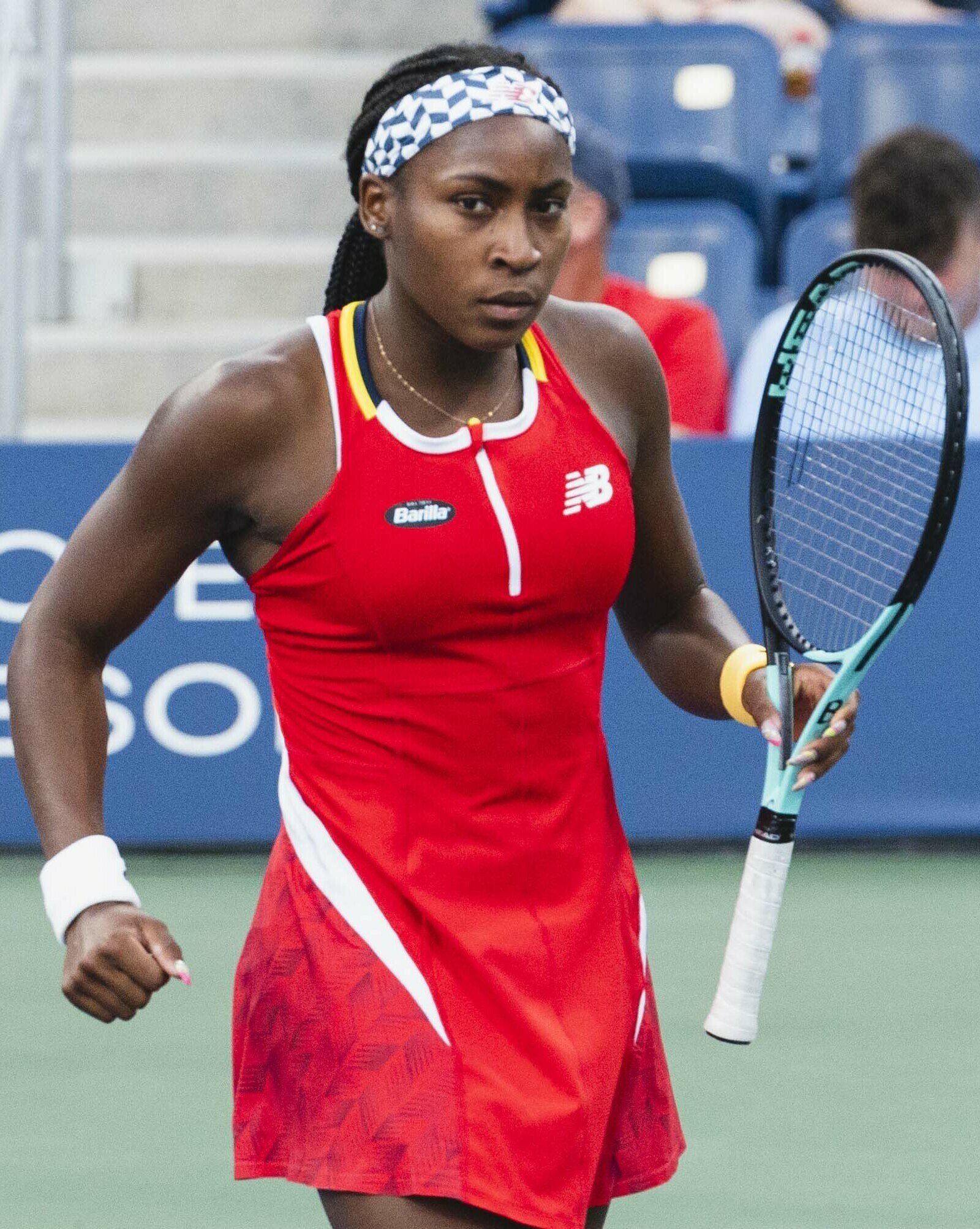
Australian tennis has spent years waiting for its next wave, and the most convincing evidence that it has arrived is not a headline — it is a rankings graph. Talia Gibson, the Western Australian whose game has been maturing on the professional circuit, has been stacking results with the consistency that separates prospects from professionals. Her progress is recorded on the WTA Tour’s player pages, but the story reads better as a narrative: the right results, in the right order, at the right age. Our sports coverage charts the climb.
Built the Hard Way
Gibson’s development ran through the ITF World Tennis Tour — the sport’s apprenticeship tier, where prize money is thin, travel is relentless and ranking points arrive in single digits. The International Tennis Federation’s records show the pattern performance directors hunt for: deep runs repeated across surfaces and continents, wins over higher-ranked opponents becoming routine, and a rising floor in defeat — losses increasingly tight, increasingly against the players she is chasing.
That foundation was laid substantially at home. Australia’s domestic Pro Tour events let young players accumulate professional matches without bankrupting their families on overseas travel, and Gibson banked hundreds of them before her late teens — an education in the unglamorous craft of winning while not playing well.
The Game Itself
Gibson plays the modern baseline game with unusual discipline. Her groundstrokes favour depth over desperation; she changes direction without telegraphing; and she defends with patience where young players typically panic. Her serve — once the honest weakness of the package — has added pace and placement to become a genuine asset, turning service games from negotiations into statements.
Coaches who have worked with her return to the same trait: coachability under pressure. She absorbs adjustment quickly and applies it mid-match, which is precisely the skill the main tour audits most ruthlessly — because at that level, every opponent arrives with a forensic scouting report on your weaknesses.
The Test Ahead
The next twelve months move her from the circuit’s proving grounds to its main stages: bigger draws, established names, and the home Grand Slam swing where Australian expectation runs hottest. There will be instructional losses and announcing wins. What the trajectory already guarantees is that she will arrive at those tests with a repeatable game and a temperament that has been stress-tested by the longest apprenticeship in professional sport.
What the Coaches See
Ask the coaches who have stood across the net from Gibson in practice and a consistent scouting report emerges: the rally tolerance is elite for her age, the backhand holds up under pace that breaks down most developing players, and the point construction — the patience to build a rally three shots before the opening exists — belongs to a player several years older. Development coaches call that last trait the tell, because it cannot be drilled into a player who does not already think that way.
The remaining development items are the standard ones for her stage: first-serve percentage under scoreboard pressure, net transition against top-50 ball speed, and the physical durability to play thirty weeks a year. None of them are mysteries, and her team has time — the scarcest resource in player development, and the one her early start has bought her.
The Summer That Tests Everything
All of it converges on the Australian summer, when the tour comes to her. Home expectations in January are their own discipline: the crowds will be hers, the media attention an order of magnitude beyond anything the ITF circuit generates, and the draw will place tour-level names across the net from the first round. Players who have walked this path describe the home swing as an examination in compartmentalisation — the ability to be the story without playing like one. Gibson’s temperament, the trait every coach mentions first, is about to receive its most public audit. Australian tennis could ask for a better candidate to sit it.
For a tennis nation measuring its future, Gibson’s graph is the story. Keep up with her season through our tennis coverage.
