

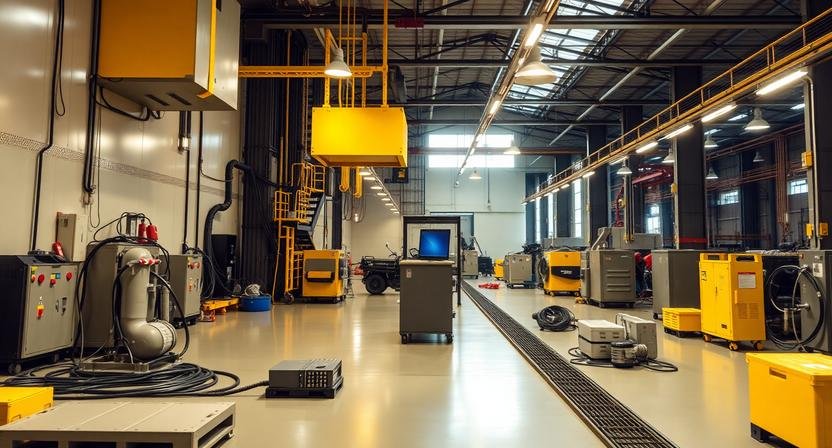
The Indian electrical equipment industry has emerged as a critical backbone of the country’s infrastructure development and economic growth. With the government’s focus on electrification, renewable energy, and modernization of power distribution networks, this sector is experiencing significant expansion.
The industry encompasses a wide range of products, including transformers, switchgear, motors, generators, cables, and electronic components, catering to both domestic consumption and export markets. Understanding the growth trends, technological advancements, and challenges in this sector is vital for investors, manufacturers, policymakers, and industry enthusiasts.
Read Also: Wires and Cables Industry Outlook: Where Polycab Stands in 2026
Overview of the Indian Electrical Equipment Industry
India’s electrical equipment industry has historically been dominated by a mix of public sector enterprises and private manufacturers. Over the past decade, the market has witnessed rapid growth, driven by increased urbanization, industrialization, and government initiatives such as the National Electric Mobility Mission and the Smart Grid program. According to industry estimates, the Indian electrical equipment market is valued at over USD 20 billion and is projected to continue its upward trajectory, making it one of the fastest-growing sectors in the country.
The industry is broadly segmented into power generation equipment, transmission and distribution (T&D) systems, and electrical consumer products. Each segment plays a critical role in ensuring reliable electricity supply across residential, commercial, and industrial sectors. Additionally, India’s commitment to renewable energy targets has opened opportunities for specialized electrical equipment catering to solar, wind, and hybrid energy systems.
Key Growth Drivers
Government Policies and Initiatives
Government policies have been instrumental in shaping the growth of the electrical equipment industry. Programs like “Make in India” and the National Electric Mobility Mission aim to boost domestic manufacturing and reduce dependence on imports. Incentives such as tax breaks, subsidies, and funding for research and development have encouraged local manufacturers to adopt advanced technologies and improve product quality.
Rising Energy Demand
India’s energy demand is projected to increase significantly due to population growth, industrial expansion, and urbanization. This surge in electricity consumption necessitates modern, efficient electrical equipment for generation, transmission, and distribution. Smart grids, energy-efficient transformers, and automation systems are gaining traction as utilities strive to meet higher demand while minimizing losses.
Technological Advancements
The industry is witnessing a shift towards automation, digitalization, and smart technology integration. Advanced metering infrastructure, IoT-enabled devices, and predictive maintenance tools are enhancing operational efficiency and reducing downtime. Electrical equipment manufacturers are increasingly investing in research and development to stay competitive and address evolving market requirements.
Renewable Energy Integration
India’s ambitious renewable energy goals have created a new growth avenue for electrical equipment manufacturers. Solar and wind energy installations require specialized inverters, switchgear, transformers, and control systems. Companies that adapt their product lines to serve this segment can benefit from long-term demand, as renewable energy continues to account for a larger share of India’s power generation capacity.
Emerging Trends in the Industry
Smart Grid and Digitalization
Smart grid technology is transforming India’s electricity infrastructure. It enables real-time monitoring, efficient load management, and integration of renewable energy sources. The adoption of digital substations, smart meters, and energy management systems is expected to drive demand for high-tech electrical equipment, positioning India as a hub for smart energy solutions.
Growth of Electric Vehicles (EVs)
The rise of electric mobility is reshaping the electrical equipment landscape. EV charging infrastructure requires specialized electrical components such as chargers, cables, and transformers. The government’s focus on EV adoption, coupled with incentives for manufacturers, is likely to fuel growth in this sub-sector over the next decade.
Focus on Energy Efficiency
Energy efficiency has become a key priority for both industrial and residential consumers. Manufacturers are now producing low-loss transformers, high-efficiency motors, and advanced switchgear to meet energy conservation standards. Energy-efficient equipment not only reduces operating costs but also aligns with India’s climate change mitigation goals.
Export Opportunities
Indian electrical equipment manufacturers are increasingly exploring global markets. The demand for cost-effective and reliable electrical products from countries in Africa, the Middle East, and Southeast Asia has created export opportunities. Compliance with international quality standards and certifications has become essential for tapping into these markets.
Challenges Facing the Industry
High Dependence on Imports
Despite government initiatives to promote domestic manufacturing, India still relies heavily on imports for critical components like semiconductors, specialized cables, and high-voltage equipment. This dependence exposes manufacturers to global supply chain disruptions and price volatility, impacting profitability.
Technological Gaps
While the industry is evolving, there remains a gap in adopting cutting-edge technologies such as advanced automation, AI-enabled monitoring, and high-capacity energy storage solutions. Bridging this gap requires significant investment in R&D and skilled manpower, which can be challenging for small and medium-sized enterprises.
Regulatory and Policy Hurdles
Navigating regulatory approvals, compliance with safety standards, and changes in import-export policies can slow down growth. Delays in project clearances and inconsistent policies across states may impact manufacturing timelines and market expansion.
Competition from Global Players
International companies with advanced technology and scale pose stiff competition to Indian manufacturers. Competing on quality, price, and innovation is crucial for domestic players to maintain market share and expand exports.
Infrastructure Limitations
Limited manufacturing infrastructure, outdated production facilities, and insufficient testing laboratories can hamper growth. Investment in modern facilities and capacity expansion is essential to meet rising domestic and global demand.
Strategies for Sustainable Growth
To overcome challenges and sustain growth, Indian electrical equipment manufacturers need to focus on several strategic areas:
- Investment in R&D: Developing indigenous technologies, energy-efficient solutions, and smart equipment will enhance competitiveness.
- Skill Development: Training programs for engineers, technicians, and workers can bridge the skill gap and support technological adoption.
- Strategic Partnerships: Collaborations with global companies can bring advanced technology, best practices, and access to international markets.
- Policy Advocacy: Active engagement with policymakers can help streamline regulatory processes and promote incentives for domestic manufacturing.
- Diversification: Expanding product lines to serve renewable energy, EV infrastructure, and export markets will reduce dependency on a single segment.
Future Outlook
The Indian electrical equipment industry is poised for robust growth in the coming years. Rising domestic electricity demand, renewable energy expansion, and the push for smart grids and EV infrastructure will continue to drive market expansion. Analysts predict a CAGR of 8–10% over the next five years, with high potential in both domestic and international markets. Manufacturers that embrace innovation, focus on energy efficiency, and strategically address supply chain and regulatory challenges are likely to emerge as industry leaders.
Conclusion
The Indian electrical equipment industry stands at a pivotal point, balancing growth opportunities with operational challenges. Government initiatives, technological advancements, and global demand are fueling expansion, while import dependence, technological gaps, and infrastructure constraints remain key hurdles.