

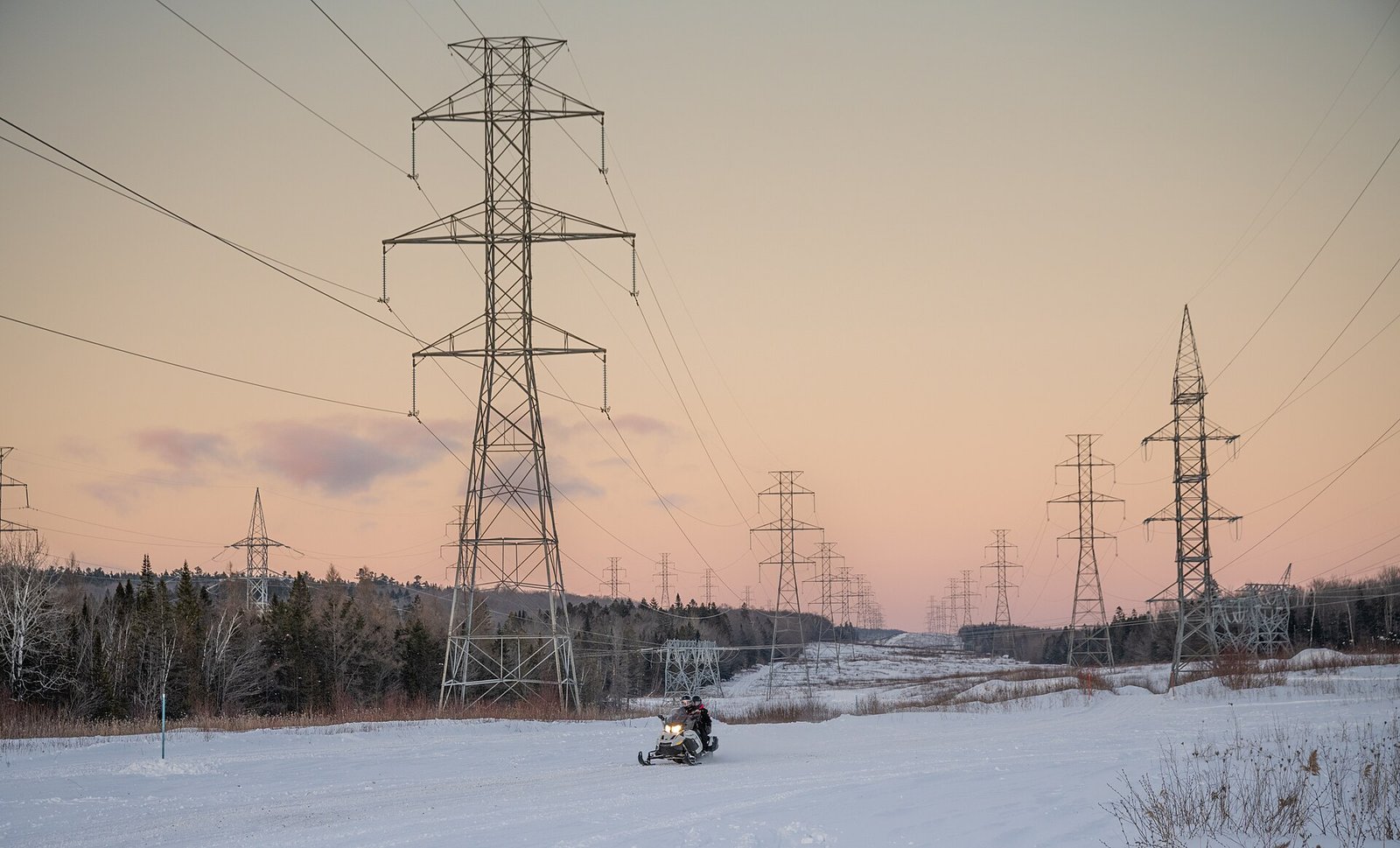
The energy transition’s bottleneck is not where the public argument looks for it. Solar panels and wind turbines — the visible hardware — have become cheap and abundant. What cannot keep up is the network that must carry their output: the transmission lines, substations and interconnectors planned in decades and built in longer ones. Grid queues now stretch for years in country after country, with generation projects — and the factories and data centres that want their power — waiting in line for a connection that has become the economy’s scarcest permission.
The scale of the backlog startles even the industry’s veterans. In the United States and Europe alike, the capacity of projects seeking connection exceeds the entire installed grid several times over. Much of it is speculative, but the queue’s administration — first come, first served, studied one by one — was designed for a slower world, and reforms to clear it have become as consequential as any technology in the transition. Readers can follow more coverage like this on polycabnews.com.
Why Wires Are Harder Than Turbines
A wind farm can be built in two years; the line to connect it can take twelve, most of them consumed before construction: routing, environmental review, land rights, and the objections of every community the line crosses to serve communities elsewhere. Transmission is the energy system’s least lovable infrastructure — visible to all, owned by none, and essential in a configuration that asks rural districts to host the hardware of urban decarbonisation. The politics of consent, handled badly for decades, are now being priced into every project plan.
Technology offers partial escapes. Reconductoring — restringing existing towers with advanced cables that carry double the power — can upgrade a corridor in a fraction of a new line’s time and paperwork. Grid-enhancing sensors squeeze more from existing assets by rating lines on actual weather rather than worst-case assumptions. Storage placed at congested nodes buys time. None of it abolishes the need for new steel in the ground; all of it changes what must be built first.
The Money Has Noticed
Grid investment, long the utility industry’s quiet line item, has become its growth story. Regulators who once trimmed network spending to cut bills now approve its expansion, having concluded that the queue is the costlier option. Supply chains feel the turn: transformers — the grid’s unglamorous heart — carry waiting lists of years, and the factories to make more are being built on three continents. Cable ships for subsea interconnectors are booked out further than the projects they will serve. Further data and analysis on this subject are available from the International Energy Agency.
Consumers ultimately fund the build through bills, which makes the politics delicate: pay more now for connections that enable cheaper power later is a harder sell than the reverse, however sound the arithmetic. The countries moving fastest have made the trade explicitly and publicly, treating the grid as national infrastructure in the nineteenth-century sense — like the railways, an argument about what kind of economy the wires make possible.
The Grid Is the Project
There is a reframing under way among the people who run the transition: the generation build-out is a solved problem of manufacturing, while the grid is the project itself — the long, contested, unphotogenic work on which everything else waits. Its heroes are planners, consenting teams and the engineers of the substation, and its timeline, not the turbine’s, sets the pace of decarbonisation.
Planning reform is where the war is being fought in most democracies: statutory timelines for decisions, benefit-sharing that pays host communities a visible dividend from the lines they host, and corridors designated in advance so that projects argue once, nationally, rather than parish by parish. The reforms are unglamorous, contested and — in the countries that have passed them — measurably effective, which is why they have become the energy transition’s most copied legislation.
Stand beneath a transmission line and it is easy to see only the towers. What actually runs along them, increasingly, is permission: for the factory to open, the data centre to build, the wind farm to earn. The grid has become where the future applies for its connection — and the queue, at last, is being treated as the emergency it is. See also our companion piece: Copper Is the New Oil of the Electrification Era.
