

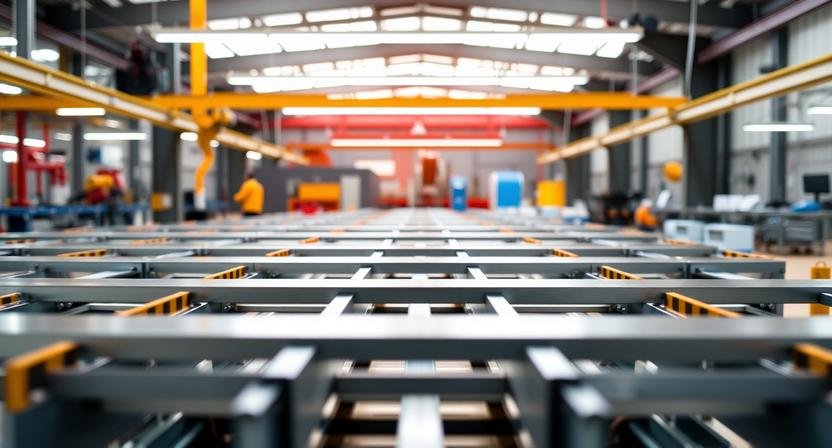
Polycab India Ltd. has once again captured the spotlight with a strategic announcement to expand its manufacturing footprint across India.
In the context of a rapidly evolving electrical goods and infrastructure landscape, this move represents a significant step for one of the country’s largest wires and cables manufacturers.
The company’s expansion plan is not just a growth strategy for Polycab; it symbolizes broader industrial trends in domestic manufacturing, electrification, renewable energy, and infrastructure development.
Read Also: Polycab Q3 Results: Revenue Growth, Profit Margins, and Key Highlights
Why Polycab’s Expansion Matters
Polycab’s decision to invest in expanded manufacturing capacity holds importance for several reasons. First, it reflects confidence in the future demand for electrical infrastructure products, from traditional cables and wires to advanced high‑voltage and renewable‑energy components. Second, in an era where India is pushing for self‑reliance (Atmanirbhar Bharat) in manufacturing, Polycab’s expansion supports national goals of strengthening local production capabilities. Third, this investment will likely create jobs and enhance supply chain resilience in domestic markets. These factors combined make the announcement highly relevant for industry stakeholders, investors, policymakers, and consumers alike.
Understanding Polycab’s Business and Strategic Priorities
Polycab’s Core Operations
Polycab India is a leading manufacturer of wires, cables, and electrical solutions in India. Its portfolio ranges from basic electrical components to value‑added solutions such as solar products, inverters, lighting, fans, switches, and infrastructure‑grade cables. Polycab operates a diversified business model that spans the traditional wires and cables segment and the fast‑moving electrical goods (FMEG) sector. This dual focus allows the company to capture a broad range of market opportunities and revenue streams.
Project Spring: The Vision Behind Expansion
At the heart of Polycab’s growth blueprint is Project Spring, a multi‑year strategic initiative designed to drive revenue growth, expand market share, and build future‑ready capabilities. Under this vision, Polycab aims to grow its wires and cables business at approximately 1.5 times the industry growth rate while accelerating its FMEG segment even faster, targeting 1.5 to 2 times the industry average. Moreover, the company plans to increase export revenues to over 10 percent of total turnover as part of its global expansion aspirations. This strategic thrust necessitates substantial capital expenditure across manufacturing, backward integration, digitalization, and technology adoption.
Key Elements of the Manufacturing Expansion Plan
Capital Expenditure and Capacity Build‑Out
To support its ambitious goals, Polycab has earmarked significant capital expenditure over the next five years. Estimates suggest a total investment in the range of INR 60–80 billion, primarily directed at increasing production capacity, establishing new facilities, and enhancing existing plants. These funds will be crucial for ensuring that Polycab can meet growing demand across both traditional and emerging product categories.
New Facilities and Product Lines
One of the standout elements of the expansion strategy is the development of a new plant dedicated to Extra High Voltage (EHV) cables. This facility, located in Halol, Gujarat, is poised to produce cables above 220kV — a segment that is critical for India’s expanding power transmission infrastructure but where Polycab has historically had limited presence. The plant is expected to be operational by FY26, with full utilization anticipated shortly thereafter.
In addition to the EHV plant, Polycab’s broader investment will encompass facilities for optical fiber cables, special purpose cables for industrial and telecom use, and dedicated export‑oriented manufacturing units. Together, these expansions will enhance the company’s ability to serve both domestic and global markets.
Backward Integration and Technology Adoption
Polycab’s strategy also emphasizes backward integration — a move to own more of the supply chain, from raw materials to finished goods. Investments in digital manufacturing technologies, automation, and process optimization are expected to improve efficiency, reduce production costs, and drive higher quality across product lines. Modern IT systems and cloud‑based infrastructure are being adopted to streamline operations, increase scalability, and enhance supply chain visibility.
Market Dynamics Driving Polycab’s Strategy
Rising Demand Across Infrastructure Sectors
India’s wires and cables industry is witnessing robust growth, fuelled by expansive infrastructure development, real estate construction, electrification drives, and industrial modernization. Projects such as power grid upgrades, renewable energy deployment, transportation electrification, and smart city initiatives are contributing to sustained demand for electrical cables and related products. Analysts have highlighted that the industry’s growth is poised to exceed the country’s GDP growth in the near to mid‑term, underlining the scale of opportunities available.
Government Initiatives and Policy Support
Government policies aimed at boosting manufacturing — including production‑linked incentive (PLI) schemes, import substitution strategies, and infrastructure funding — are creating an enabling environment for companies like Polycab. These initiatives are designed to reduce dependence on imports, enhance domestic value chains, and attract private investments into capital‑intensive sectors. As a result, manufacturers are better positioned to invest in capacity expansion with long‑term demand visibility.
Competitive Landscape
The competitive landscape in the cables and related electrical goods sector has become increasingly dynamic. New entrants, including conglomerates diversifying into cables and wires, have emerged, intensifying competitive pressures. These developments have challenged traditional players to innovate, improve operational efficiency, and defend market share through expanded capabilities. Polycab’s ongoing expansion is therefore both a response to market demand and a strategic position to maintain leadership amidst intensified competition.
Role in Renewable Energy and Sustainability
Polycab’s expansion strategy aligns with India’s broader transition to cleaner energy sources. The company is deepening its presence in segments such as solar energy, with offerings that include comprehensive solar kits, solar cables, and utility‑scale inverters. These products are critical as India scales its renewable infrastructure to meet climate goals and energy security needs. Investments in greener manufacturing processes and sustainability initiatives further demonstrate Polycab’s commitment to environmental stewardship.
Implications for Stakeholders
Investors and Financial Markets
Polycab’s expansion plan sends a strong signal to investors about the company’s growth trajectory and long‑term potential. Capital markets often interpret such strategic capex as a sign of confidence in future demand and earnings prospects. Given Polycab’s strong financial performance and market positioning, the expansion could reinforce investor confidence, potentially contributing to positive valuation trends.
Customers and Distribution Ecosystem
Customers can expect improved product availability, broader product ranges, and potentially enhanced service levels as manufacturing capabilities expand. For distributors and dealers, increased production capacity often translates into better inventory support, faster delivery lead times, and opportunities to capture growing demand across regions.
Job Creation and Regional Development
The establishment of new manufacturing units and the expansion of existing facilities will likely create direct and indirect employment opportunities. These jobs span skilled, semi‑skilled, and managerial roles, contributing to regional economic development, particularly in manufacturing hubs such as Gujarat and other industrial corridors.
Future Outlook for Polycab and the Industry
Looking ahead, Polycab’s expansion plan positions the company to capture long‑term growth trends in India’s electrical and infrastructure markets. With a strategic focus on technology, product diversification, and capacity enhancement, Polycab aims to sustain growth well into the next decade. Continued emphasis on innovation, exports, and market penetration under Project Spring will be critical in realizing these objectives.
As India continues to invest in its physical and digital infrastructure, demand for quality electrical solutions is expected to remain strong. Polycab’s proactive manufacturing expansion not only aligns with market needs but also reinforces its role as an industry leader in shaping the future of India’s electrical manufacturing landscape.
Conclusion
Polycab India’s announcement of a comprehensive manufacturing expansion plan marks a pivotal moment for the company and the broader electrical manufacturing sector. Grounded in strategic vision, substantial capital investment, and a clear understanding of market dynamics, this expansion signals confidence in India’s industrial growth story.